When summer hits, fashion turns to one fabric that never goes out of style: linen! Lightweight, breathable, and effortlessly chic, it is the go-to for balmy days and breezy evenings. But there’s more to it than its airy appeal. Let’s unravel the story behind this timeless textile—from ancient roots to modern runways.
This textile is one of the oldest known fabrics in the world, dating back over 36,000 years. Ancient Egyptians prized linen as a symbol of purity and wealth, often wrapping mummies in finely woven fabric. Throughout history, garments made from this material were worn by nobility in Europe, and their durability made them a staple for household textiles like tablecloths and bed sheets.
Fun fact: The word “linens” was initially used to refer to undergarments because they were always made from linen!
This textile is made from the flax plant, which thrives in cooler climates. Here’s a quick snapshot of the process:
This artisanal process is more labor-intensive than cotton production, so this textile is often pricier and considered a more “premium” fabric.
There’s a reason this fabric keeps making a comeback—its benefits are hard to beat:
✔️ Breathable: Linen allows air to flow, keeping you cooler in warm weather.
✔️ Moisture-Wicking: It pulls sweat away from the body—perfect for humid days.
✔️ Eco-Friendly: Flax requires less water and pesticides than cotton.
✔️ Strong and Durable: Linen is twice as strong as cotton and softens over time.
✔️ Timeless Look: Linen’s natural texture gives clothing a relaxed, elevated vibe.
Let’s be honest—this fabric isn’t perfect. A few quirks come with the territory:
⚠️ Wrinkles Easily: The fibers don’t stretch, so expect charming (or frustrating) crinkles.
⚠️ Can Feel Rough at First: Some linens start stiff, but soften with every wash.
⚠️ Care Matters: Linen is durable but needs proper care to stay beautiful.
Keep your linen pieces looking lovely with a bit of TLC:
🧺 Washing: Hand wash or use a gentle machine cycle with cold or lukewarm water. Avoid harsh detergents.
☀️ Drying: Air dry when possible. If using a dryer, choose low heat and remove while slightly damp to avoid deep wrinkles.
🧼 Ironing: Use a steam iron on damp linen for best results—or embrace the natural crinkle!
📦 Storing: Store linen in a cool, dry place. Avoid hanging heavy items that could stretch out the fabric.
Final Thoughts
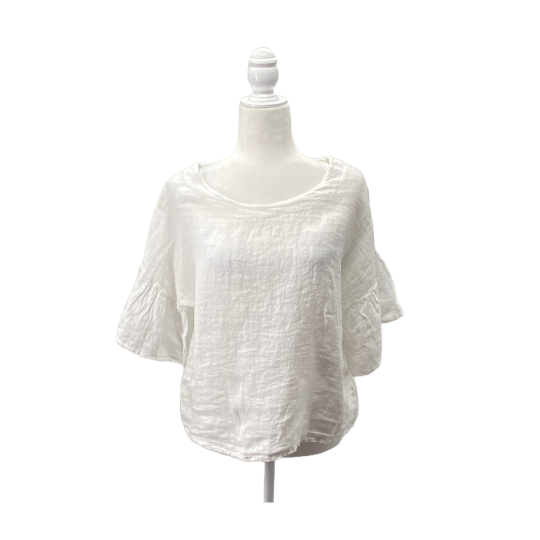
This fabric isn’t just a summer staple—it’s a fashion investment with ancient roots, modern appeal, and sustainability cred to match. Whether a crisp white blouse or relaxed coastal trousers, it brings elegance to every outfit with a breezy touch.
Are you thinking about adding linen to your wardrobe? It’s a classic worth curating.
Share: